FORMATIVE ASSESSMENTS
Visual Arts PLC – Graphic Design Unit
Hello Colleagues!
Below you'll find three main concepts we'll be covering in our upcoming graphic design unit. Each will have a few formative assessment example questions along with their corresponding Depth of Knowledge and Bloom's Taxonomy target levels. Additionally, I've included potential misconceptions students might have about these concepts and examples of how we can help correct those.
Concept 1: Elements of Art
• What element of art does tint and tone relate to?
(Answer: Value) DoK Level: 1 | Bloom's Level: Remember
Misconception: Value refers to something numerical, colors are values
Remediation: Value in art has nothing to do with numbers. Colors have values, but value itself is a scale of dark to light
• Can shapes exist within a form, or are they completely separate concepts? Explain.
(Answer: Yes, there are almost always shapes within forms) DoK Level: 3 | Bloom's Level: Analyze
Misconception: Form & shape can be used interchangeably to describe an object
Remediation: Shape is used when referring to 2D, form is used when referring to 3D
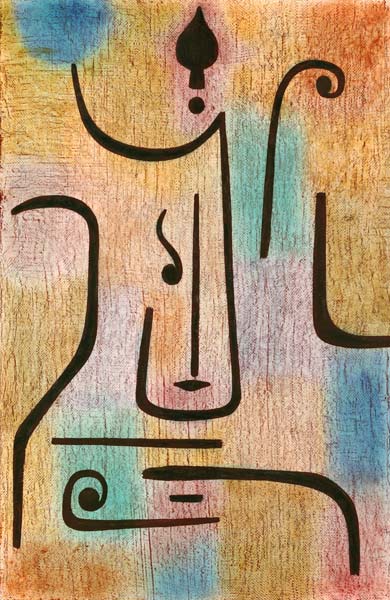
• How does Paul Klee’s use of line make you feel? What do you think he was trying to convey? (Left Image)
(Answer: Up to Interpretation) DoK Level: 3 | Bloom's Level: Analyze
Misconception: Most students understand the element "line" as a contour line
Remediation: There are many types of lines, they can be actual or implied and can be used to create mark making and texture too
Concept 2: Effective Design
• Is negative Space (also known as empty or white space) a good or bad thing in design? Explain.
(Answer: Almost always a good thing!) DoK Level: 2 | Bloom's Level: Apply
Misconception: Many non artists think they need to fill the page or that empty space is bad
Remediation: Negative space is important, it gives the eye a space to rest and process information
• Please rank each piece of information in order from what you percieve as highest importance to lowest importance based on the artist's hierarchical design choices.
(Answer: King illustration, theater masks, dwa teatry, date, sponsor logos) DoK Level: 2/3 | Bloom's Level: Analyze/Evaluate
Misconception: Hierarchy is based primarily on how we read (left to right, top to bottom)
Remediation: Hierarchy can be established in a number of ways (reading direction, size, color, composition)
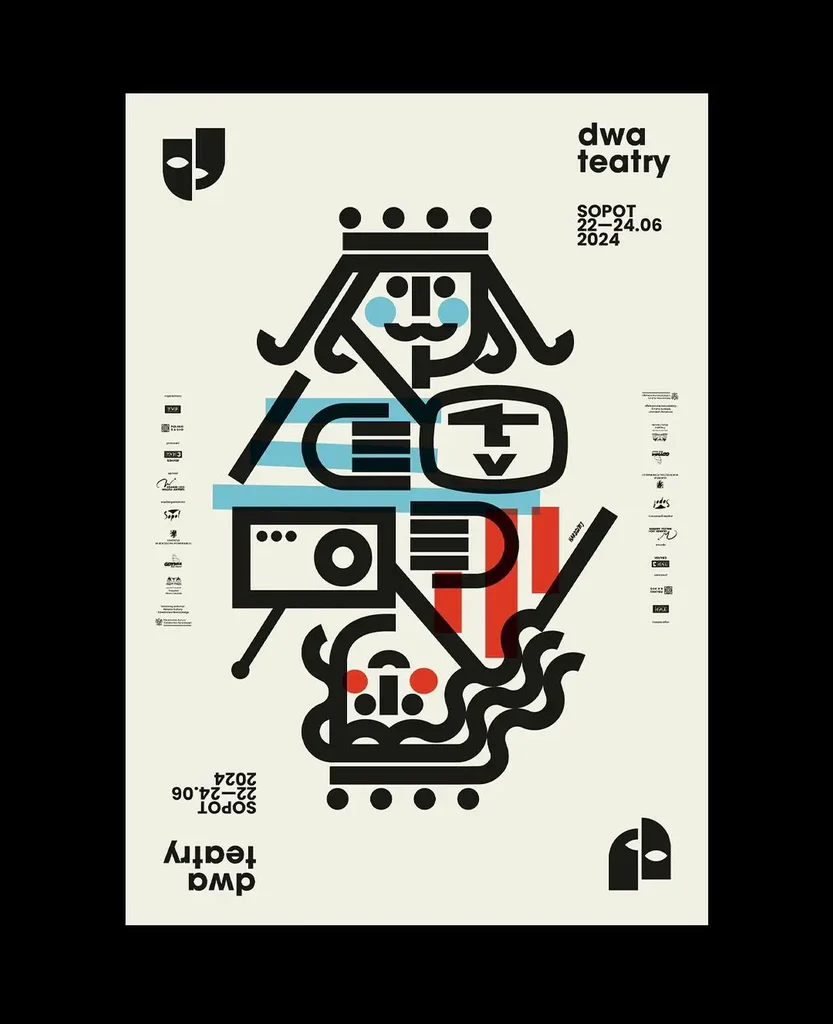
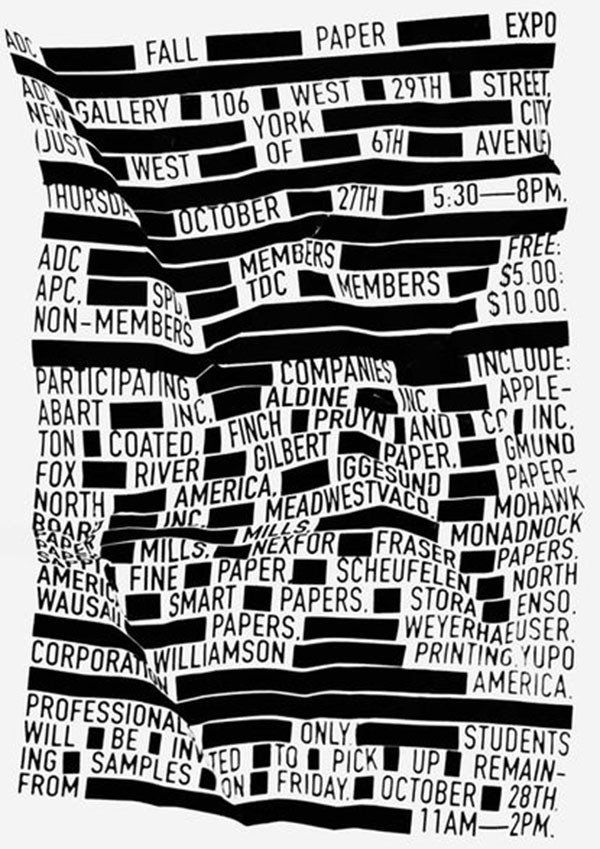
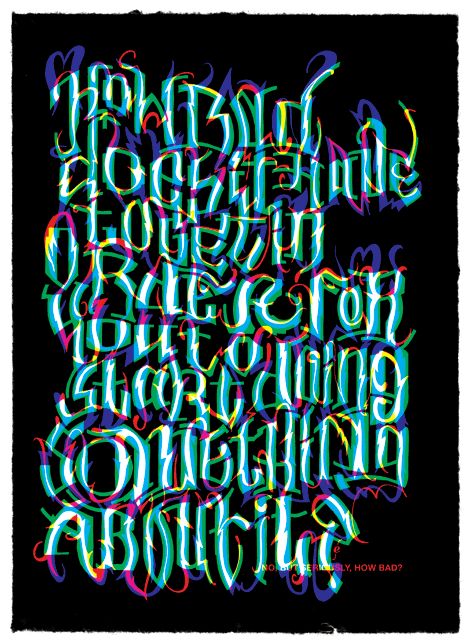
• If the goal is to get the most people possible to attend your event, which one of these posters would you pick to promote your event and why? (Images Below)
(Answer: Left Image) DoK Level: 3/4 | Bloom's Level: Evaluate
Misconception: Attention grabbing design = effective design
Remediation: You want your designs to be attention grabbing so people stop to read them, however if they're attention grabbing but unreadable, your message is not effective (and you're not going to get many people coming to your event unfortunately)
Concept 3: Symbolism & Representation
• If you were creating a brand identity for a sandwich shop on a pier, what are some colors you might recommend to convey the right feeling and message? Why?
(Answer: Perhaps green for freshness, blue for coastal location) DoK Level: 4 | Bloom's Level: Evaluate/Create
Misconception: Color has to match industry
Remediation: It doesn't but thinking about colors that evoke the right vibes it's usually a good place to start the brainstorming process
• Would geometric or organic art elements fit better in a diaper company's brand-identity? Please explain.
(Answer: Organic because they're percieved more softly and connect us with ideas like 'nature' and 'comfort') DoK Level: 1/2 | Bloom's Level: Apply
Misconception: Geometric is often associated with math and organic is often associated with nature, which can lead to preconceived ideas of what ‘geometric and organic’ should look like
Remediation: There is a lot of overlap in both and both can be used in any kind of design
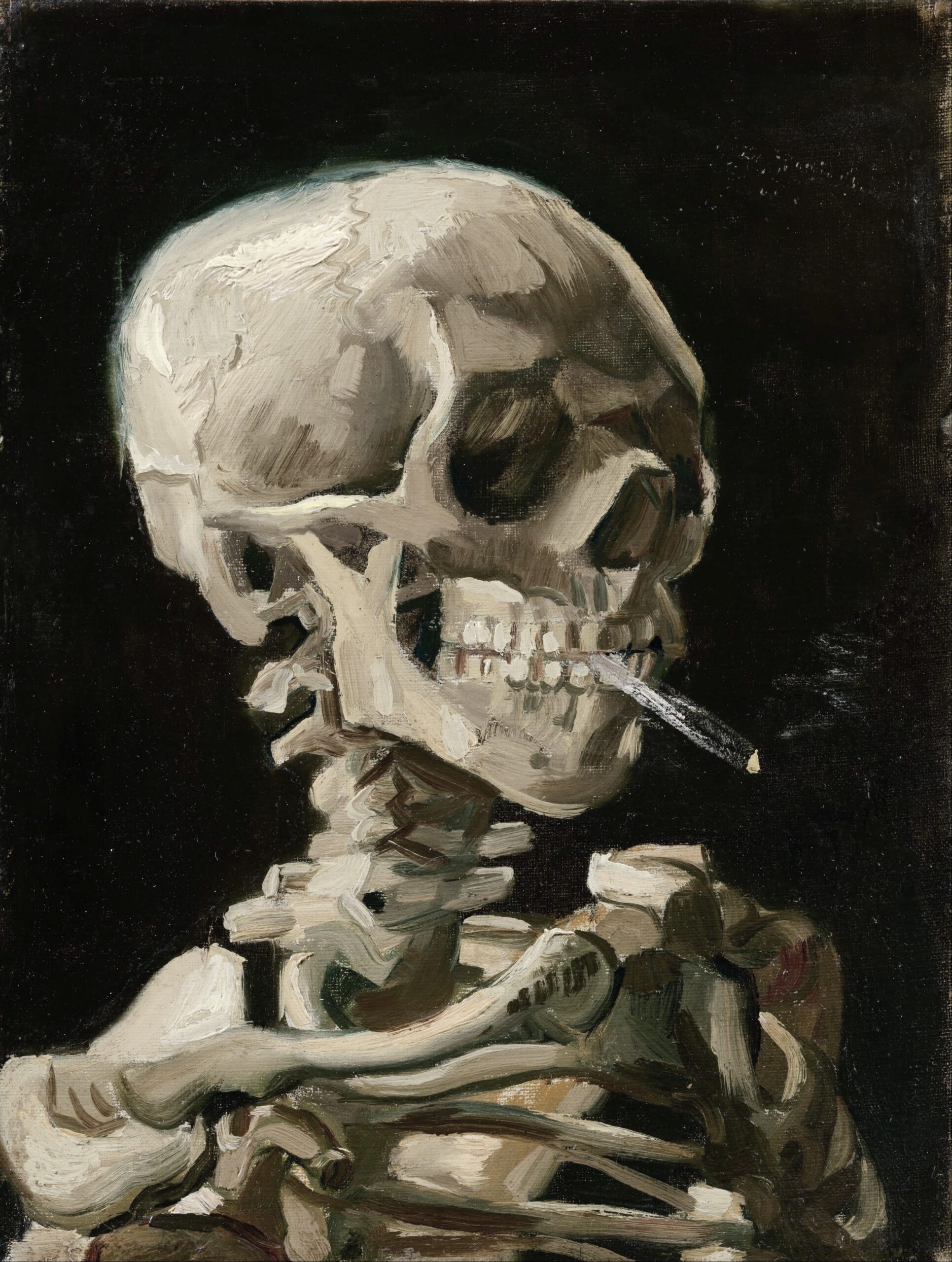
• If you saw an album cover with this painting on it, what assumptions would you make about the type of music the band makes? (Left Image)
(Answer: Up to Interpretation) DoK Level: 3/4 | Bloom's Level: Create
Misconception: Every design says what it means
Remediation: There are many reasons this might not be true, inexperienced artists, experienced artists 'breaking the rules', additional layers of historical or culutural symbolism you might not know, etc
Assessment Strategies and Activities
• Group Critique (Concept 1: Art Elements)
Critiquing a famous artist's work together as a class can be a great effective and immediate form of assessment. This activity will let me know what elements and concepts students are seeing and understanding. This format will also allow me to provide feedback and address any misconceptions or misunderstandings in the moment. Other comments from students in this critique might spark additional teaching moments regarding adjacent concepts.
• Exit Tickets or Sketchbook Assignments (Applicable to all concepts)
Administering a daily exit ticket or weekly sketchbook assignment that relates to the concepts and skills we're learning in art and design will allow me to understand the depth of my students understanding and help inform my practices for the next day and/or week. Small, fun, regular check ins are important in creating a successful, engaging learning environment.
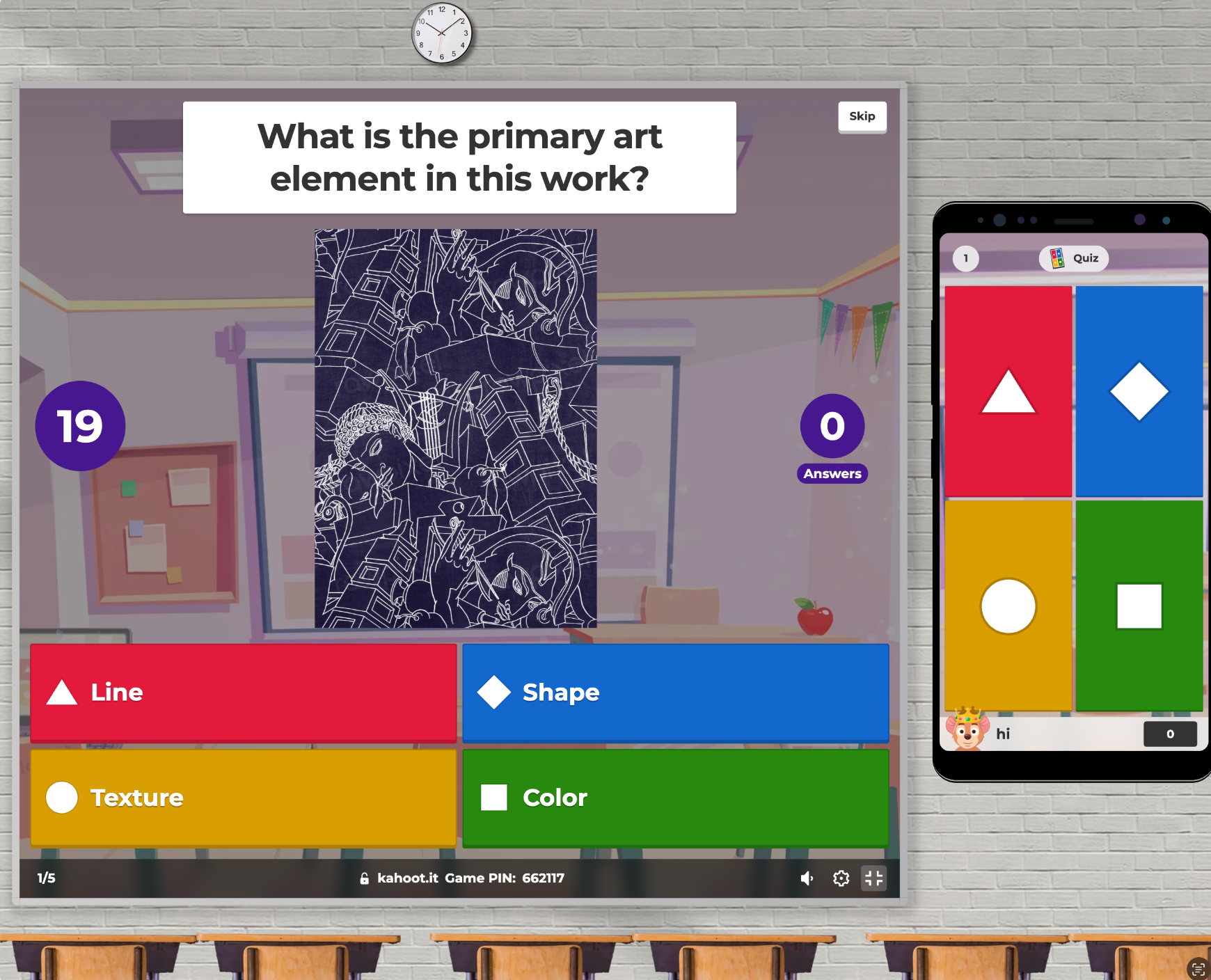
• Kahoot (Part 2: Digital Tool)
A digital tool I can use for immediate formative assessments is Kahoot. It's tricky to integrate art into the classic, physical visual arts, however Kahoot is a fun, fast-paced gamified way to test vocab and concepts. Try out my sample Kahoot!
References
Crockett, H. (2023, March 27). Hots (higher order thinking skills) in the Art Room. The Art of Education. https://theartofeducation.edu/2012/10/hots-higher-order-thinking-skills-in-the-art-room/
The formal elements of art. The Art Teacher. (2025, January 25). https://theartteacher.net/2024/01/21/the-formal-elements-of-art/
Grand Canyon University. (n.d.-a). Bloom’s Taxonomy. Grand Canyon University. https://lc.gcumedia.com/are337/blooms-taxonomy/v2.1/
Guido, M. (2022, August 7). Depth of knowledge: 4 DOK Levels & Proven Strategies to Increase Rigor. prodigygame.com. https://www.prodigygame.com/main-en/blog/webbs-depth-of-knowledge-dok
Photo Credits:
https://jjenkinshogd.blogspot.com/2010/11/bad-typography.html
https://i.pinimg.com/736x/56/2d/70/562d7017b9e70aa9ee7e824e554b286b.jpg
https://www.arthistoryproject.com/artists/vincent-van-gogh/head-of-a-skeleton-with-a-burning-cigarette/
https://www.linkedin.com/posts/patryk-hardziej-0a305884_today-i-would-like-to-present-a-poster-of-activity-7204753226934427650-2WIy/
https://www.myartprints.com/a/paul-klee-paintings/the-archangel.html